
Introduction
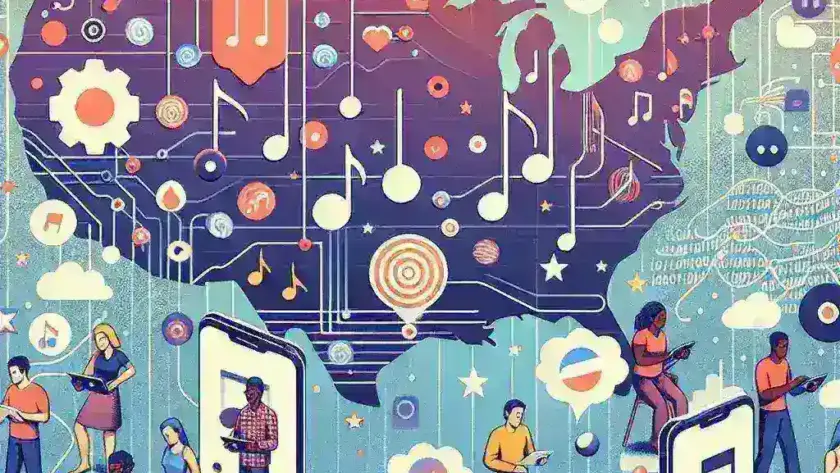
In an era where technology is reshaping how we consume music, Spotify stands at the forefront of innovation. Recently, the platform has announced an ambitious pilot program employing AI-powered cultural music discovery across various regions in the United States. This initiative aims to tailor music recommendations based on regional cultural influences, thereby enhancing user experience and fostering a deeper connection with music.
The Evolution of Music Discovery
Music discovery has come a long way from the days of radio and cassette tapes. With the evolution of digital platforms, listeners have gained unprecedented access to a vast array of genres, artists, and playlists. However, as the music landscape becomes increasingly saturated, the need for personalized and culturally relevant recommendations has become more critical than ever.
Why Cultural Context Matters
Cultural context plays a pivotal role in shaping musical preferences. Different regions have distinct musical traditions, genres, and artists that resonate with the local population. Spotify’s incorporation of AI technology seeks to leverage these cultural nuances, providing users with a music experience that feels both personal and relevant.
How Spotify’s AI Works
Spotify’s AI technology analyzes vast amounts of data, including listening habits, geographical locations, and cultural trends, to curate playlists and recommendations. By employing machine learning algorithms, Spotify can identify patterns in user behavior and predict which songs or genres might appeal to individual listeners.
Data Processing and Machine Learning
The process begins with data collection. Spotify gathers information from user interactions, such as:
- Listening history
- Song skips
- Playlist additions
- Time spent on specific tracks
Utilizing this data, the AI algorithms are trained to recognize patterns and correlations between users and their musical preferences. As the AI learns, it becomes increasingly adept at making recommendations tailored to specific regions or cultural influences.
Regional Variations in Music Preferences
One of the key aspects of this pilot program is its focus on regional variations. For instance, users in New Orleans may have a penchant for jazz, while those in Seattle might gravitate toward grunge or indie rock. By understanding these regional differences, Spotify can present a more enriching and localized music experience.
Examples of Regional Music Trends
To illustrate this, consider the following:
- Chicago: A hub for blues and house music.
- Nashville: The heart of country music.
- Los Angeles: A melting pot of pop, hip-hop, and electronic genres.
The Impact on User Experience
The introduction of AI-powered cultural music discovery has the potential to transform the way users interact with music on Spotify. Here’s how:
Personalized Playlists
By curating playlists that reflect regional preferences, Spotify can enhance the user’s listening experience. For instance, a user in Austin may receive a playlist filled with local artists and trending songs from Texan musicians, making their listening experience feel unique and tailored.
Fostering Cultural Appreciation
This initiative also promotes cultural appreciation by exposing users to music they may not have discovered otherwise. By celebrating regional sounds and artists, Spotify enriches the musical landscape and encourages exploration beyond mainstream hits.
Challenges and Considerations
While the benefits of AI-driven cultural music discovery are significant, there are challenges to consider:
Data Privacy
As with any technology that relies on user data, privacy concerns arise. It is essential for Spotify to ensure that user data is handled responsibly and transparently.
Algorithmic Bias
Another concern is the potential for algorithmic bias. If the AI models are not trained on diverse data sets, there is a risk of reinforcing existing stereotypes or neglecting underrepresented regions and genres.
The Future of Music Discovery
Looking ahead, the success of Spotify’s pilot program could set a precedent for the future of music discovery across streaming platforms. The integration of AI technology not only offers personalized experiences but also reinforces the importance of cultural relevance in music.
Expanding Beyond Borders
Should this pilot program prove successful, Spotify may consider expanding its cultural music discovery efforts beyond the U.S., tapping into global music trends and regional sounds from around the world.
Conclusion
Spotify’s initiative to pilot AI-powered cultural music discovery in U.S. regions represents a significant step toward creating a more personalized and culturally resonant music experience. By leveraging technology to understand regional preferences, Spotify is not only enhancing user experience but also celebrating the rich tapestry of musical diversity across the United States. As music continues to evolve, it is initiatives like these that will shape the future of how we connect with our favorite artists and genres.