
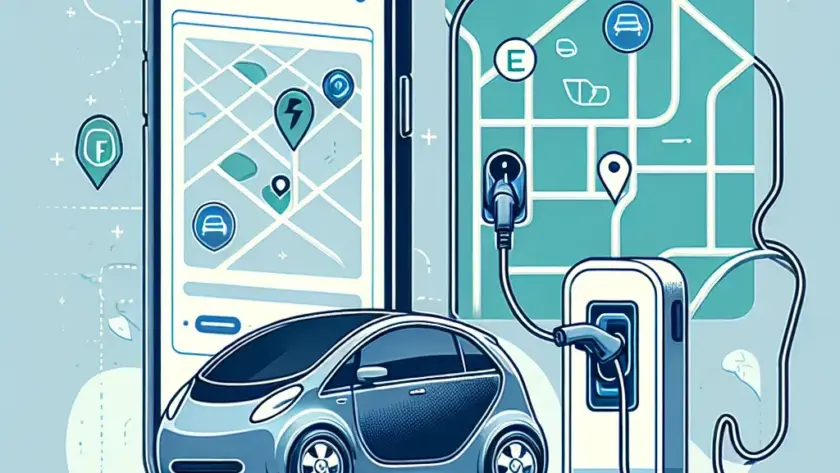
Lyft Announces In-App EV Charging Station Locator
As the world continues to pivot towards sustainable transportation, Lyft has taken a significant step by announcing the introduction of an in-app EV charging station locator. This innovative feature is designed to enhance the experience of electric vehicle (EV) drivers using Lyft services, making it easier to find and access charging stations. In this article, we’ll explore the importance of this new feature, its implications for users, and what it means for the future of ridesharing.
The Growing Importance of Electric Vehicles
The electric vehicle market has been experiencing unprecedented growth in recent years. With rising concerns about climate change and an increasing emphasis on reducing carbon footprints, the demand for EVs is higher than ever. According to recent statistics from the International Energy Agency, the global electric vehicle stock surpassed 10 million in 2020, reflecting a 43% increase over the previous year. This trend is expected to continue, further integrating EVs into our daily lives.
Why Charging Infrastructure Matters
One of the significant barriers to EV adoption has been the availability of charging infrastructure. Unlike traditional gasoline vehicles, EVs require charging stations to power up, and their range can be limited. For Lyft drivers who rely on electric vehicles, finding a convenient charging station during their work hours is crucial. The latest feature aims to simplify this process by integrating charging station locations directly into the Lyft app.
What the In-App EV Charging Station Locator Offers
The new in-app feature allows Lyft drivers to:
- Locate Charging Stations: Easily find nearby EV charging stations while on the road.
- Real-Time Availability: Access up-to-date information on station availability to avoid waiting.
- Route Planning: Optimize routes by including charging stops, reducing downtime.
- Filter Options: Choose from various charging station types based on personal needs.
Benefits of Lifting the Charging Burden
This new feature comes with several advantages for both Lyft drivers and passengers:
1. Enhanced Driver Experience
By incorporating the EV charging station locator, Lyft enhances the experience for electric vehicle drivers. No longer will they need to rely on external apps or guesswork to find charging stations. Instead, they can focus on providing an excellent service to passengers.
2. Supporting Sustainable Practices
Lyft’s commitment to sustainability is further emphasized through this new feature. Supporting electric vehicles aligns with their mission to reduce carbon emissions and promote greener transportation options.
3. Increased Ridesharing Efficiency
With easy access to charging stations, Lyft drivers can maintain their schedules, ensuring quick pick-ups and drop-offs. This efficiency not only benefits drivers but also enhances the overall experience for passengers.
Implementation and User Feedback
Lyft has begun rolling out the EV charging station locator feature in select markets, with plans for a broader launch in the coming months. Early adopters have reported positive experiences, emphasizing the ease of finding stations and the seamless integration within the Lyft app.
Real User Testimonials
“As a Lyft driver with an electric vehicle, I was always stressed about charging. With this new feature, I can see where the nearest stations are in real-time. It makes my job so much easier!” – Sarah, Lyft Driver.
“Kudos to Lyft for this initiative! It’s a game-changer for EV drivers. Now I can plan my rides better and not worry about running out of battery!” – James, Frequent Lyft User.
The Future of Ridesharing and Electric Vehicles
The introduction of the in-app EV charging station locator is just the tip of the iceberg when it comes to Lyft’s plans for the future. As electric vehicles become more mainstream, ridesharing companies will need to adapt to the evolving landscape of transportation. Here are a few predictions for what the future might hold:
1. Expanding Charging Infrastructure
To further support EV drivers, there will likely be an increased push for more charging stations across urban and suburban areas. Partnerships with charging networks may become commonplace.
2. Transition to Autonomous EVs
Lyft is already exploring autonomous vehicle technology. As the company pivots towards self-driving cars, integrating charging stations into an autonomous fleet will be essential for maintaining efficiency.
3. Incentives for Drivers
As more drivers transition to electric vehicles, Lyft may introduce incentives or rewards programs specifically for EV drivers, further promoting sustainable ridesharing.
Conclusion
Lyft’s announcement of the in-app EV charging station locator is a significant move towards supporting electric vehicle drivers and promoting sustainable transportation. As the demand for EVs continues to rise, features like this will play a crucial role in enhancing the overall experience for drivers and passengers alike. By making charging more accessible, Lyft not only demonstrates its commitment to sustainability but also sets a standard for ridesharing in the future. The journey towards a greener planet is just beginning, and Lyft is leading the charge.