
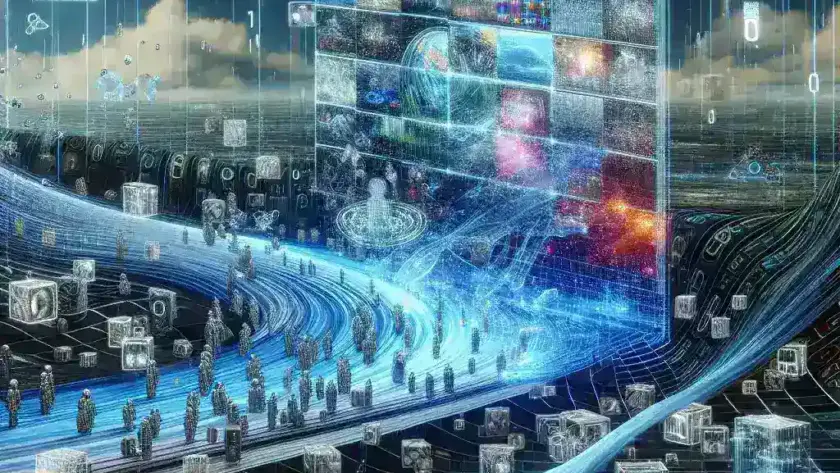
The landscape of content creation has undergone a revolutionary transformation with the emergence of artificial intelligence video generation tools. These sophisticated platforms are reshaping how we approach video production, offering unprecedented opportunities while simultaneously presenting unique challenges that creators must navigate carefully.
Understanding AI Video Generation Technology
AI video generation represents a groundbreaking convergence of machine learning, computer vision, and natural language processing. These tools utilize complex neural networks trained on vast datasets of video content to understand patterns, movements, and visual storytelling elements. The technology operates by analyzing textual descriptions or existing media inputs and translating them into coherent video sequences.
The foundation of these systems rests on several key technologies:
- Generative Adversarial Networks (GANs) that create realistic visual content
- Transformer architectures for understanding context and narrative flow
- Computer vision algorithms for scene composition and object recognition
- Natural language processing for interpreting user prompts and instructions
Remarkable Capabilities of Modern AI Video Tools
Content Creation at Scale
One of the most impressive capabilities of AI video generation tools is their ability to produce content at unprecedented scale. Marketing teams can now generate dozens of video variations for A/B testing within minutes, rather than weeks of traditional production cycles. This scalability has democratized video content creation, enabling small businesses and individual creators to compete with larger organizations.
Personalization and Customization
AI-powered video tools excel at creating personalized content tailored to specific audiences. By analyzing user data and preferences, these systems can generate videos with customized messaging, visual styles, and even spokesperson appearances. Real estate companies, for instance, use AI to create personalized property tour videos for different client demographics.
Language and Cultural Adaptation
Modern AI video generators demonstrate remarkable proficiency in creating content across multiple languages and cultural contexts. They can automatically adjust visual elements, color schemes, and narrative structures to align with different cultural preferences, making global content distribution more efficient than ever before.
Cost-Effective Production
The economic advantages of AI video generation cannot be overstated. Traditional video production often requires significant investments in equipment, talent, and post-production services. AI tools dramatically reduce these costs while maintaining professional quality standards, making high-quality video content accessible to organizations with limited budgets.
Current Limitations and Challenges
Authenticity and Emotional Depth
Despite impressive technical achievements, AI-generated videos often struggle with authentic emotional expression and nuanced human interactions. The subtle facial expressions, genuine emotions, and spontaneous moments that make human-created content compelling remain difficult for AI systems to replicate convincingly.
Complex Narrative Structures
While AI excels at creating short-form content and simple narratives, complex storytelling with multiple plot threads, character development, and sophisticated narrative arcs pose significant challenges. The technology currently lacks the creative intuition necessary for crafting compelling long-form content that resonates with audiences on deeper levels.
Brand Consistency and Voice
Maintaining consistent brand voice and visual identity across multiple AI-generated videos requires careful oversight and fine-tuning. Many organizations struggle to ensure that AI-created content aligns perfectly with their established brand guidelines and communication standards.
Technical Limitations
Current AI video generation tools face several technical constraints that impact their effectiveness:
- Limited video length capabilities, typically under five minutes
- Inconsistent quality when generating specific objects or scenarios
- Difficulty with precise timing and synchronization in complex scenes
- Challenges in maintaining visual coherence across longer sequences
Industry Applications and Success Stories
Marketing and Advertising
The advertising industry has embraced AI video generation with remarkable enthusiasm. Brands are using these tools to create product demonstrations, testimonial videos, and social media content at scale. A notable example includes fashion retailers generating virtual try-on videos that showcase clothing items on diverse body types without traditional photoshoots.
Education and Training
Educational institutions and corporate training departments leverage AI video tools to create instructional content quickly and cost-effectively. These systems can generate educational videos with animated explanations, making complex concepts more accessible to learners across different learning styles.
Entertainment and Media
Content creators in the entertainment industry use AI video generation for pre-visualization, concept development, and creating placeholder content during production phases. While not replacing traditional filmmaking, these tools serve as powerful creative aids in the development process.
Quality Considerations and Best Practices
Input Quality Matters
The effectiveness of AI video generation heavily depends on the quality and specificity of input prompts. Successful creators invest time in crafting detailed, well-structured prompts that clearly communicate their vision while understanding the tool’s capabilities and limitations.
Human Oversight and Editing
Professional results typically require human oversight and post-generation editing. Successful implementations combine AI efficiency with human creativity and quality control, ensuring that final outputs meet professional standards and brand requirements.
Iterative Refinement
Achieving optimal results often requires multiple iterations and refinements. Understanding this process helps creators set realistic expectations and allocate appropriate time and resources for AI video projects.
Future Prospects and Emerging Trends
The trajectory of AI video generation technology points toward increasingly sophisticated capabilities. Emerging developments include improved temporal consistency, better understanding of physics and natural movements, and enhanced integration with other creative tools. Industry experts predict that future iterations will address current limitations while introducing new capabilities that further expand creative possibilities.
Integration with Traditional Workflows
The future likely holds seamless integration between AI video generation tools and traditional production workflows. Rather than replacing human creativity, these technologies will augment and enhance human capabilities, creating hybrid approaches that combine the best of both worlds.
Making Informed Decisions
Organizations considering AI video generation tools should carefully evaluate their specific needs, budget constraints, and quality requirements. Success depends on understanding both the remarkable capabilities and inherent limitations of current technology while maintaining realistic expectations about outcomes and implementation timelines.
The key to successful AI video implementation lies in viewing these tools as powerful creative aids rather than complete replacements for human creativity and oversight. When used strategically and combined with human expertise, AI video generation tools can significantly enhance content creation capabilities while opening new possibilities for creative expression and business growth.
As we continue to witness rapid advancements in this field, staying informed about emerging capabilities and limitations will be crucial for creators, marketers, and organizations looking to leverage these powerful technologies effectively. The future of video content creation is undoubtedly intertwined with AI, making understanding these tools essential for anyone involved in modern content production.