
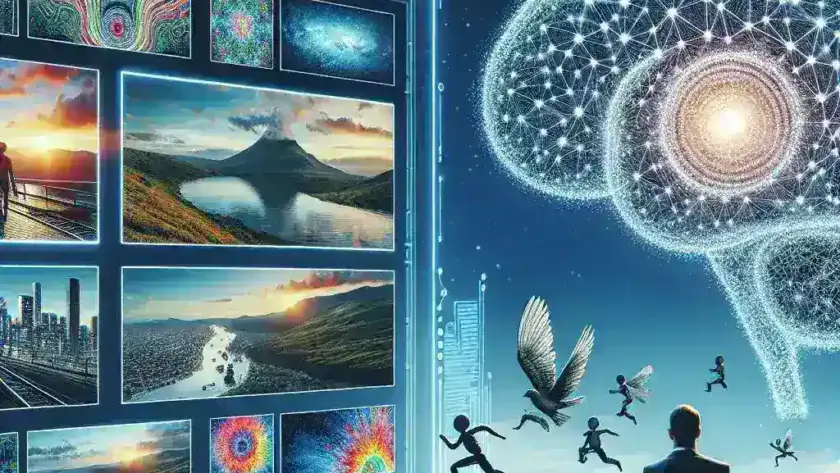
Artificial intelligence has revolutionized numerous industries, and video production is no exception. The emergence of AI video generation tools has democratized content creation, allowing individuals and businesses to produce professional-looking videos without extensive technical expertise or massive budgets. However, like any technology, these tools come with both remarkable capabilities and notable limitations.
Understanding AI Video Generation Technology
AI video generation tools leverage machine learning algorithms, particularly deep learning models, to create, edit, and enhance video content. These sophisticated systems analyze vast datasets of existing videos to understand patterns, styles, and visual elements, then apply this knowledge to generate new content based on user inputs.
The technology behind these tools encompasses several key components including natural language processing, computer vision, and generative adversarial networks (GANs). These elements work together to interpret user commands, understand visual concepts, and produce coherent video sequences that align with specified requirements.
What AI Video Generation Tools Can Do
Automated Content Creation
One of the most impressive capabilities of AI video generation tools is their ability to create entire videos from simple text prompts. Users can input a brief description, and the AI will generate corresponding visual content, complete with appropriate scenes, transitions, and even background music. This functionality has proven invaluable for social media marketers, educators, and small business owners who need quick, engaging content.
Text-to-Video Conversion
Modern AI tools excel at transforming written content into dynamic video presentations. They can automatically select relevant stock footage, create animated text overlays, and synchronize voiceovers with visual elements. This capability has streamlined the process of converting blog posts, articles, and scripts into compelling video content.
Style Transfer and Enhancement
AI video generation tools can apply artistic styles to existing footage, transforming ordinary videos into visually striking content. Whether applying a vintage film aesthetic, cartoon animation style, or photorealistic enhancement, these tools offer creative possibilities that were previously time-consuming and expensive to achieve.
Multilingual Content Production
Advanced AI systems can generate videos in multiple languages, automatically translating scripts and even creating lip-sync animations that match different languages. This capability has opened global markets for content creators who previously faced language barriers.
Personalization at Scale
AI tools enable the creation of personalized video content for large audiences. By incorporating viewer data and preferences, these systems can generate customized videos that speak directly to individual users, enhancing engagement and conversion rates for marketing campaigns.
Current Limitations of AI Video Generation
Quality and Realism Constraints
Despite significant advances, AI-generated videos often lack the nuanced quality of professional human-produced content. Issues such as inconsistent lighting, unnatural movement patterns, and occasional visual artifacts can detract from the overall viewing experience. While improving rapidly, the technology hasn’t yet achieved perfect photorealism in all scenarios.
Creative Limitation and Originality
AI tools operate based on patterns learned from existing content, which can result in formulaic or derivative outputs. They struggle with truly original creative concepts that deviate significantly from their training data. This limitation means that groundbreaking creative vision still requires human input and direction.
Context Understanding Challenges
While AI can process text inputs and generate corresponding visuals, it sometimes misinterprets context, cultural nuances, or subtle meanings. This can lead to inappropriate or irrelevant content that doesn’t align with the intended message or audience expectations.
Computational Resource Requirements
High-quality AI video generation requires substantial computational power and time. Complex projects may take hours to process, and the best results often require expensive cloud computing resources, making the technology less accessible for casual users or small-scale projects.
Legal and Ethical Considerations
AI video generation raises important questions about copyright, consent, and authenticity. The technology’s ability to create realistic-looking content featuring people who never actually participated in the video production process has sparked concerns about deepfakes and misinformation.
Industry Applications and Use Cases
Marketing and Advertising
Businesses leverage AI video generation tools to create promotional content, product demonstrations, and social media advertisements quickly and cost-effectively. These tools enable rapid A/B testing of different video versions and personalized marketing campaigns.
Education and Training
Educational institutions and corporate training departments use AI-generated videos to create instructional content, explain complex concepts through visual storytelling, and provide consistent training materials across different locations and languages.
Entertainment and Media
Content creators in the entertainment industry utilize AI tools for pre-visualization, concept development, and creating supplementary content. While not replacing human creativity, these tools serve as powerful aids in the creative process.
Future Prospects and Developments
The field of AI video generation continues to evolve rapidly. Emerging technologies promise improved quality, faster processing times, and more sophisticated understanding of context and creativity. Integration with virtual and augmented reality platforms is opening new possibilities for immersive content creation.
Research into neural rendering and advanced machine learning models suggests that future AI video generation tools will offer near-photorealistic quality with real-time processing capabilities. Additionally, improved natural language understanding will enable more intuitive and precise control over the generation process.
Best Practices for Using AI Video Generation Tools
To maximize the effectiveness of AI video generation tools, users should provide clear, detailed prompts that specify desired outcomes, visual styles, and target audiences. It’s essential to review and refine generated content, combining AI efficiency with human creativity and judgment.
Understanding the strengths and limitations of different tools helps users select the most appropriate platform for their specific needs. Regular experimentation with new features and techniques can unlock creative possibilities and improve results over time.
Conclusion
AI video generation tools represent a significant advancement in content creation technology, offering unprecedented accessibility and efficiency in video production. While they excel at automating routine tasks, enhancing existing content, and enabling rapid prototyping, they still require human oversight and creativity for optimal results.
As the technology continues to mature, we can expect to see improved quality, expanded capabilities, and broader applications across various industries. However, the most successful implementations will likely combine AI efficiency with human creativity, leveraging the strengths of both to create compelling, authentic video content that resonates with audiences.
The future of video production lies not in replacing human creativity but in augmenting it with powerful AI tools that handle technical complexities while preserving the essential human elements that make content truly engaging and meaningful.