The Revolutionary Impact of Artificial Intelligence on Digital Art
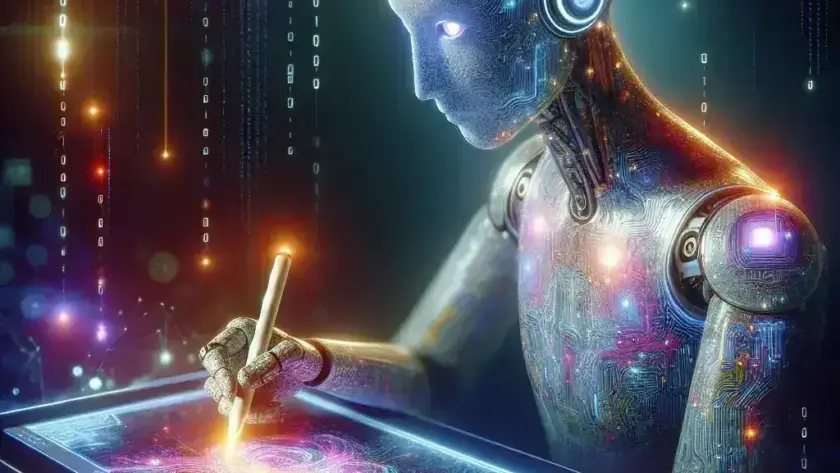
The intersection of artificial intelligence and digital illustration represents one of the most fascinating developments in contemporary art and technology. As we witness the rapid evolution of AI-powered creative tools, the traditional boundaries between human creativity and machine learning continue to blur, opening unprecedented possibilities for artists, designers, and creative professionals worldwide.
The emergence of AI in digital illustration creation has fundamentally transformed how we approach visual storytelling, concept development, and artistic expression. From generating initial sketches to creating fully realized artworks, artificial intelligence has become an invaluable collaborator in the creative process, offering both seasoned professionals and aspiring artists new avenues for exploration and innovation.
Understanding AI-Powered Digital Illustration Tools
Modern artificial intelligence systems utilize sophisticated machine learning algorithms to analyze vast databases of existing artwork, learning patterns, styles, and techniques that can be applied to generate new illustrations. These systems employ various approaches, including generative adversarial networks (GANs), neural style transfer, and diffusion models to create compelling visual content.
The most prominent AI illustration platforms have democratized access to professional-quality artwork creation. Tools like DALL-E, Midjourney, Stable Diffusion, and Adobe Firefly have made it possible for users with minimal artistic training to produce sophisticated illustrations through simple text prompts. This accessibility has revolutionized creative workflows across industries, from marketing and advertising to entertainment and publishing.
Key Technologies Behind AI Illustration
- Deep Learning Networks: Complex neural networks that process and interpret visual information
- Natural Language Processing: Systems that translate text descriptions into visual concepts
- Computer Vision: Technology that enables AI to understand and manipulate visual elements
- Style Transfer Algorithms: Methods for applying artistic styles to new compositions
The Creative Process: How AI Enhances Artistic Workflow
The integration of artificial intelligence into digital illustration workflows has created a symbiotic relationship between human creativity and machine efficiency. Rather than replacing human artists, AI serves as a powerful tool that amplifies creative potential and streamlines various aspects of the artistic process.
Professional illustrators increasingly use AI for concept generation, allowing them to rapidly explore multiple visual directions before committing to a final approach. This iterative process enables artists to experiment with compositions, color palettes, and stylistic elements that might have taken hours or days to develop manually.
Stages of AI-Assisted Illustration Creation
The typical workflow for AI-enhanced digital illustration involves several key stages:
- Ideation and Concept Development: Using AI to generate initial ideas and visual references
- Composition Planning: Leveraging AI tools to explore layout options and spatial arrangements
- Style Exploration: Experimenting with different artistic styles and visual treatments
- Detail Refinement: Using AI to enhance specific elements or generate additional details
- Final Optimization: Applying AI-powered tools for color correction, lighting, and finishing touches
Industry Applications and Real-World Impact
The adoption of AI in digital illustration has created significant ripple effects across multiple industries. In the advertising sector, brands can now generate campaign visuals at unprecedented speed and scale, allowing for more responsive and targeted marketing strategies. The gaming industry has embraced AI illustration tools for concept art development, character design, and environmental artwork creation.
Publishing houses utilize AI-generated illustrations for book covers, editorial content, and digital publications, significantly reducing production timelines and costs. Educational institutions have begun incorporating AI illustration tools into their curricula, preparing the next generation of artists to work alongside intelligent systems.
Commercial Benefits of AI Illustration
Organizations implementing AI illustration technologies report numerous advantages:
- Reduced Production Costs: Significant savings in time and resources for visual content creation
- Increased Creative Output: Ability to generate multiple design variations quickly
- Enhanced Collaboration: Improved communication between creative teams and clients through rapid prototyping
- Scalable Content Creation: Capacity to produce large volumes of consistent visual content
Challenges and Ethical Considerations
Despite the remarkable capabilities of AI illustration systems, their implementation raises important questions about artistic authenticity, intellectual property, and the future role of human creativity. The art community continues to grapple with concerns about AI systems being trained on copyrighted artwork without explicit permission from original creators.
Professional artists express concerns about potential job displacement and the devaluation of traditional artistic skills. However, many industry experts argue that AI tools, when used thoughtfully, can enhance rather than replace human creativity, freeing artists to focus on higher-level conceptual work and strategic creative decisions.
Addressing Common Concerns
The creative community has identified several key areas requiring careful consideration:
- Copyright and Fair Use: Establishing clear guidelines for AI training data usage
- Attribution and Credit: Developing systems to acknowledge original artistic influences
- Quality Control: Ensuring AI-generated content meets professional standards
- Creative Integrity: Maintaining the human element in artistic expression
Technical Capabilities and Limitations
Current AI illustration systems demonstrate remarkable proficiency in generating visually appealing artwork, but they also exhibit specific limitations that users must understand. While AI excels at combining existing visual elements in novel ways, it may struggle with complex spatial relationships, anatomical accuracy, and maintaining consistency across multiple related images.
The quality of AI-generated illustrations heavily depends on the specificity and clarity of input prompts. Users who develop expertise in prompt engineering can achieve significantly better results, highlighting the importance of understanding how to communicate effectively with AI systems.
Future Technological Developments
Emerging trends in AI illustration technology suggest several exciting developments on the horizon:
- Improved Prompt Understanding: More sophisticated natural language processing capabilities
- Enhanced Style Control: Greater precision in applying specific artistic techniques
- Real-time Collaboration: Interactive AI systems that respond to user feedback during creation
- Cross-modal Generation: AI systems that can work with multiple input types simultaneously
Best Practices for AI Illustration Implementation
Successful integration of AI tools into digital illustration workflows requires strategic planning and thoughtful implementation. Artists and organizations should approach AI adoption with clear objectives and realistic expectations about the technology’s capabilities and limitations.
Effective prompt crafting has emerged as a crucial skill for maximizing AI illustration quality. Users should experiment with different descriptive approaches, including detailed scene descriptions, artistic style references, and technical specifications to achieve desired results.
Optimization Strategies
Professional users recommend several approaches for maximizing AI illustration effectiveness:
- Iterative Refinement: Using multiple generation cycles to improve results
- Hybrid Workflows: Combining AI generation with traditional digital art techniques
- Style Consistency: Developing methods to maintain visual coherence across projects
- Quality Assurance: Implementing review processes for AI-generated content
The Future Landscape of AI-Powered Digital Art
As artificial intelligence technology continues to advance, the relationship between human creativity and machine intelligence will likely become even more sophisticated and nuanced. Future AI illustration systems may offer unprecedented levels of customization, allowing artists to train personalized models that reflect their unique artistic vision and style preferences.
The democratization of high-quality illustration creation through AI tools promises to expand creative opportunities for individuals and organizations previously limited by technical skills or resources. This accessibility could lead to a renaissance in visual communication, with more diverse voices contributing to the global visual landscape.
Educational institutions are beginning to recognize the importance of AI literacy in creative fields, developing curricula that prepare students to work effectively with intelligent systems while maintaining their artistic integrity and creative vision.
Conclusion: Embracing the AI-Augmented Creative Future
The integration of artificial intelligence into digital illustration creation represents a paradigm shift that extends far beyond mere technological advancement. It fundamentally challenges our understanding of creativity, authorship, and the artistic process itself. As these tools become increasingly sophisticated and accessible, the creative community must navigate the opportunities and challenges they present with wisdom and intentionality.
Success in this new landscape requires embracing AI as a collaborative partner rather than viewing it as a threat to human creativity. By understanding the capabilities and limitations of AI illustration tools, artists can leverage these technologies to enhance their creative practice while maintaining the uniquely human elements that make art meaningful and emotionally resonant.
The future of digital illustration lies not in the replacement of human creativity by artificial intelligence, but in the thoughtful integration of both human insight and machine capability to create artwork that neither could achieve alone. As we continue to explore this exciting frontier, the possibilities for innovative and impactful visual expression appear limitless.