
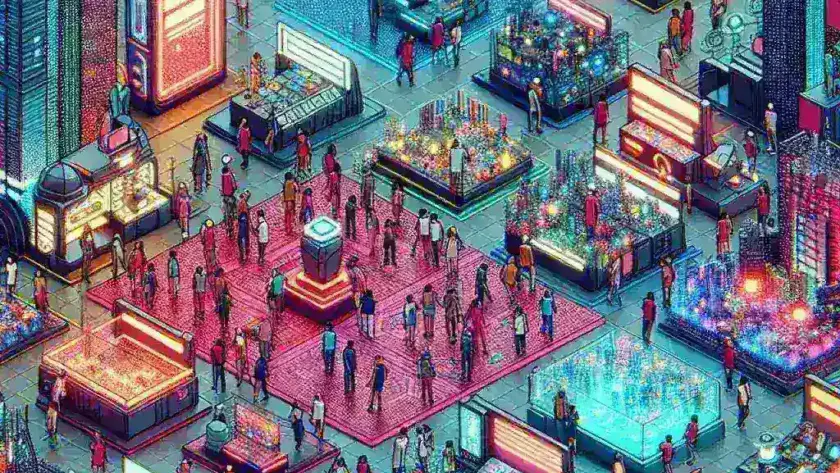
Epic Games Launches Community-Built Marketplace for VR Assets
In a bold move set to reshape the landscape of virtual reality (VR) development, Epic Games recently announced the launch of its new community-built marketplace for VR assets. This innovative platform aims to connect creators, developers, and enthusiasts more efficiently than ever before, fostering collaboration and creativity within the rapidly evolving VR ecosystem.
Understanding the Marketplace
Epic Games has long been a pioneer in the gaming industry, known for its groundbreaking products like Unreal Engine and the immensely popular Fortnite. The new marketplace is an extension of this legacy, providing a centralized location where users can buy, sell, and trade VR assets including 3D models, animations, sounds, and complete environments. This community-driven approach allows artists and developers to showcase their work, gaining exposure while contributing to the growth of VR technology.
Key Features of the Marketplace
- User-Friendly Interface: The marketplace boasts a clean, intuitive design that simplifies browsing and purchasing assets.
- Diverse Asset Categories: Users can explore a wide range of assets tailored specifically for VR development, categorized for easy navigation.
- Community Contributions: The platform encourages contributions from creators worldwide, ensuring a rich variety of content that reflects different cultures and aesthetics.
- Secure Transactions: Epic Games implements robust security measures to protect users and their transactions, creating a safe environment for all parties involved.
- Regular Updates: The marketplace will continuously evolve, with regular updates and new assets being added based on community feedback.
The Importance of Community in VR Development
Community plays a crucial role in the development of VR technologies. With the rise of platforms that allow for user-generated content, the boundaries of creativity are continually pushed. Epic Games’ marketplace exemplifies this shift, allowing developers to collaborate, share insights, and leverage each other’s strengths. This initiative not only enhances the quality of content available but also fosters a sense of belonging among VR creators.
Embracing Collaboration
The marketplace is more than just a platform for transactions; it’s a hub for collaboration. Developers can team up on projects, share best practices, and even co-create assets. This collaborative spirit is essential in the fast-paced world of VR, where development cycles can be rapid and demanding.
Historical Context of VR Asset Marketplaces
The concept of asset marketplaces is not new. However, Epic Games’ approach sets a new standard for community involvement. Traditionally, asset creation for VR was often siloed, with resources limited to large studios or individual developers working in isolation. The rise of community-built platforms has democratized access to high-quality assets, allowing smaller developers to compete and innovate.
Future Predictions for VR Asset Marketplaces
As technology continues to advance, the future of VR asset marketplaces appears promising. Experts predict that:
- Enhanced AI tools will assist creators in designing assets quickly and efficiently.
- Increased interoperability between different VR platforms will allow assets to be utilized across various applications.
- Greater emphasis will be placed on user experience, leading to the development of more immersive and engaging assets.
Pros and Cons of the Marketplace
Like any platform, Epic Games’ community-built marketplace has its advantages and challenges:
Pros:
- Access to a broad array of assets tailored for VR.
- Opportunities for exposure and collaboration for creators.
- Regular updates and community-driven improvements.
- Secure and user-friendly environment for transactions.
Cons:
- Potential for oversaturation of assets, making it difficult for users to find quality content.
- Dependence on community contributions may lead to inconsistencies in asset quality.
- New users may face a learning curve when navigating the platform.
Real-World Examples
Since the launch of the marketplace, numerous developers have already benefitted from this initiative. For instance, Alex Johnson, a budding VR developer, shared his experience: “The marketplace has opened doors for me. I was able to sell my 3D models and also find incredible assets that saved me hours of development time. It’s a game-changer!”
Cultural Relevance of VR
VR technology is increasingly becoming a cultural phenomenon, influencing not just gaming but education, healthcare, and social interaction. The community-built marketplace by Epic Games serves as a pivotal platform in this cultural shift, enabling diverse voices to contribute to the digital landscape.
Statistics on VR Growth
The VR industry is witnessing exponential growth, with projections indicating a market value of over $200 billion by 2025. This surge underscores the importance of accessible tools and resources like the community-built marketplace, which facilitate entry into this burgeoning field.
Expert Insights
Industry experts emphasize the significance of community-driven initiatives. Dr. Emily Rogers, a VR technology researcher, notes, “Platforms like Epic Games’ marketplace are crucial in nurturing the next generation of VR developers. Collaborative environments can lead to innovations we have yet to imagine.”
Conclusion
The launch of Epic Games’ community-built marketplace for VR assets represents a transformative step in the world of virtual reality development. By fostering collaboration and providing creators with the resources they need, Epic Games is not just building a marketplace; they are nurturing a vibrant community that will drive the future of VR.
For those ready to dive into the world of VR creation, this marketplace offers an unparalleled opportunity to connect, collaborate, and innovate. Whether you are a seasoned developer or just starting, the possibilities are endless. Embrace the future of VR with Epic Games’ community-built marketplace!